







EXWOOD WPC stands for Exterior Wood – Wood Plastic Composite is a crystallized product from wood and plastic. Factory manufacturing EXWOOD WPC in Vietnam
EXWOOD WPC was born to replace natural wood, using PE/PP plastic pellets and wood pulp produced by pressing extrusion and injection molding, no glue in the products. Therefore it does not contain toxic substances. EXWOOD is used to decorate the exterior of your home with many uses such as making pool decks, sunshades, fences, pergola...
If you are looking for a new material for exterior designs, EXWOOD is a product that is completely suitable for the conditions of outdoor products. EXWOOD is distributed evenly across the country from north to south.
EXWOOD WPC : WOOD PLASTIC COMPOSITE
Modern construction materials are not only aesthetic, but also practical, easy to handle and maintain, and most importantly, economical. Many enterprises are working in the field of inventing new materials, focusing research mainly on the combination of various substances, and among them it is possible to distinguish such a promising novelty as wood-polymer composite (WPC) .
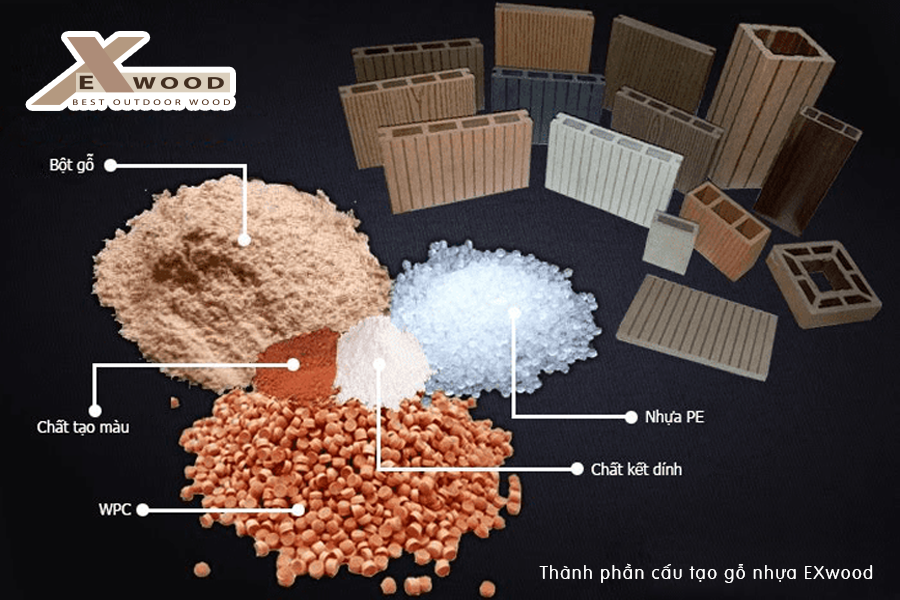
WPC is often called wood plastic composite and people who like to show off their English knowledge call it wood plastic composite. From these names it becomes clear that it is a combination of plastic and wood in a molten state, followed by solidification of the final product. Composite wood is an alternative to expensive woods, while significantly improving performance compared to any wood or plastic. In the light of the modern fashion for environmentally friendly materials, EXWOOD WPC is a necessary improvement in the materials used to make cladding, flooring, manufacturing of sheet and bar shapes as well as many other construction and finishing wood materials. EXWOOD WPC has received the widest application in the field of manufacturing rooftop boards (floor)
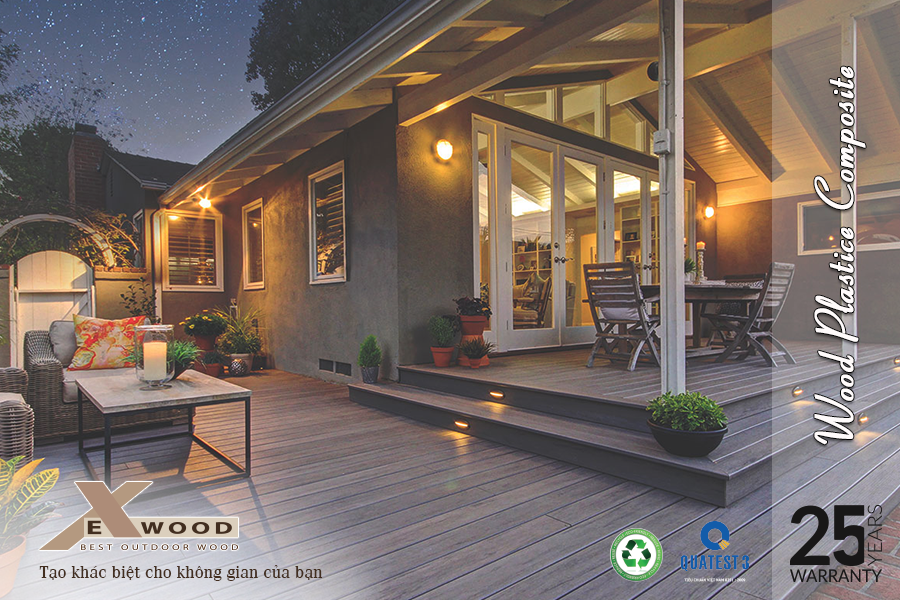
The most common application of EXWOOD WPC is flooring or flooring
Properties and characteristics of EXWOOD WPC
WPC consists mainly of wood fibers, its role is successfully performed by waste from the wood processing industry and plastics as binding substrates. Thus, the resulting material combines all the useful properties of modern polymers and natural wood.
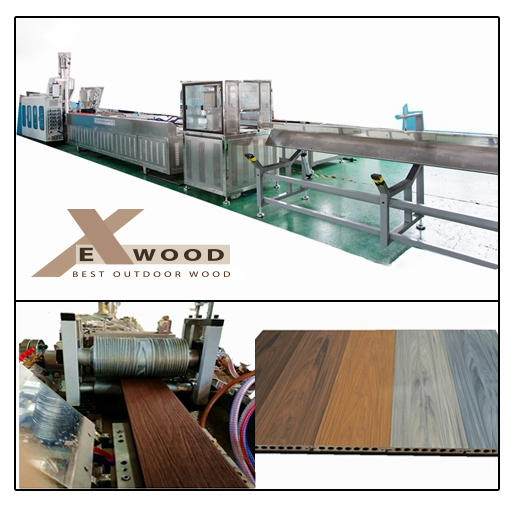
EXWOOD WPC - in production
Ingredients and production EXWOOD WPC
We look at the composition of WPC in more detail, then its changes can be traced from the start of production to the present, and now it looks like this: the crushed wood filler, which gives the main volume to the product, is bound by one of three types of polymers. The purpose of the finished product determines the choice: polypropylene, polyvinyl chloride (PVC) or classic polyethylene. Plastic with fillers bond and turn into a single mass.
Additives actively used in production EXWOOD WPC
Various additives are needed to give the mixture the desired performance characteristics. Their role in compounds is performed by products of the chemical industry:
- colorant to create color
- modifiers to increase strength and stiffness
- lubricant for better moisture resistance and faster extrusion
- foaming agent to create brightness and smoothness of the surface
- biocide to maximally resist the effects of biological factors.
The wood quality of plastic wood is shown in:
- authentic wood patterns, textures and colors;
- similar thermal conductivity;
- distinctive fragrance;
- safe for the environment and consumers.
EXWOOD WPC characteristics:
- high moisture resistance, so you should forget about the problem of water flooding the floorboards;
- durability and abrasion resistance, thanks to which EXWOOD WPC products are not afraid of constant loads, impacts and abrasion custom. Shoes, animal claws, fallen objects do not leave obvious marks on the surface. Additionally, even when wet, EXWOOD WPC flooring does not slip, which is important when used on decks, steps and of course patios, open areas and even EXWOOD to pave garden paths (wooden floors in the garden)
- heat resistance and ability to endure harsh weather conditions;
- resistant to insects, fungi and rotting bacteria;
- easy handling and installation (an example of terrace construction EXWOOD WPC);
EXWOOD WPC is a sustainable synthetic wood, and at the same time:
- Reliable, durable and beautiful;
- No maintenance required other than dusting. Scraping, varnishing, painting and other manipulations are the whims of the tree, wood-polymer mixtures simply do not need them;
- Economically, there is simply no point in comparing EXWOOD WPC with natural wood in terms of cost and resin resistance gets more expensive over time due to the fact that it requires frequent repairs and replacement. That is, a wood-polymer mixture that will easily serve you for a quarter of a century will survive some changes in plastic and wood, due to which its cost in the overall account is reduced several times.
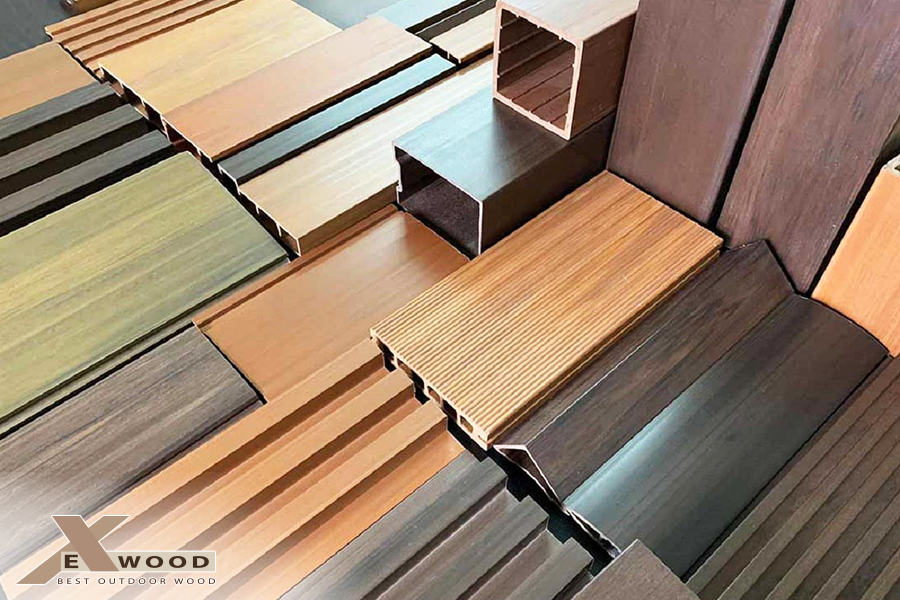
The diversity of WPC products is real
Scope of use of EXWOOD WPC
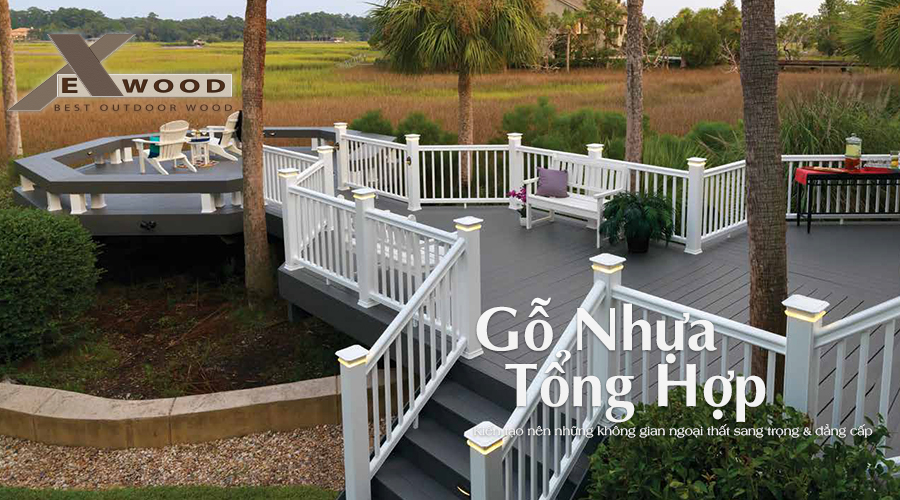
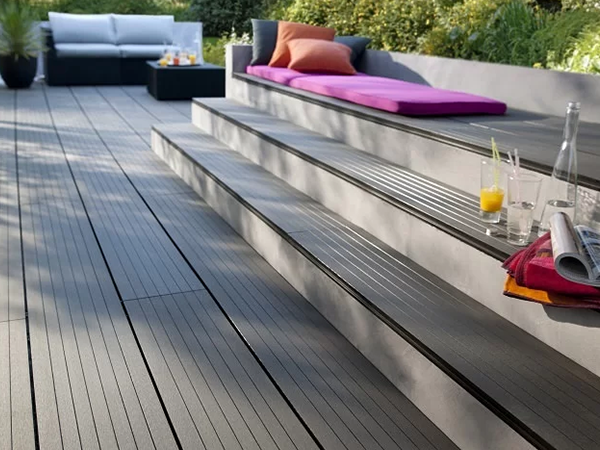
Such undoubted advantages have led to the use of EXWOOD WPC in the field of construction and even interior decoration cars and yachts, and due to its excellent water resistance, it is used for the construction of structures that are constantly in contact with water or often in it: swimming pool decks, docks and docks, stairs, building decks for ships and even yachts, wall cladding, making fences, pergolas, canopies, pavilions...
EXWOOD WPC multi-purpose outdoor decoration application is a material that is friendly to all places you want.
 |
 |
|
WPC garden flooring is great for paving open areas and terraces, as well as garden paths |
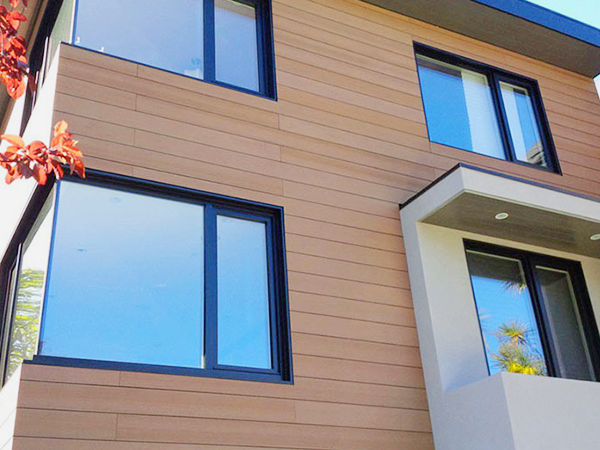
Modern partitions or wall panels made of WPC have successfully replaced vinyl, metal and cement partitions |
|
|
|
|
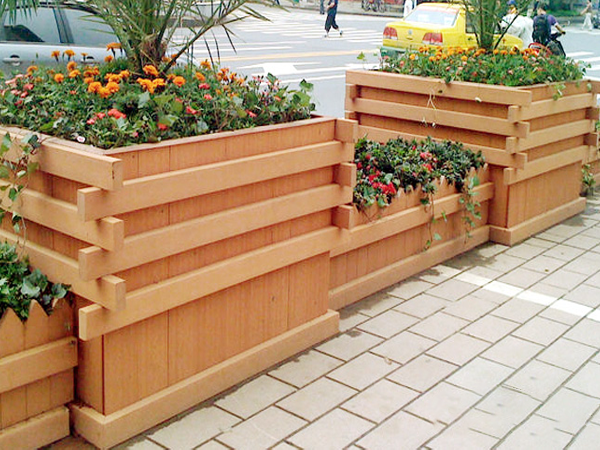
WPC flower beds are becoming increasingly popular due to their durability and ease of installation. |
Fences and fences made of WPC do not differ in appearance from wooden fences, but do not require regular processing and replacement of rotten boards |
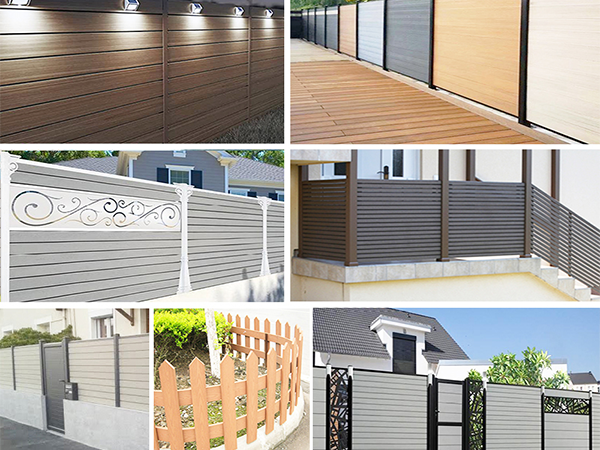
In house construction, EXWOOD WPC has become the number 1 material when installing floor coverings and garages. car, dance floor, porch, terrace and fence. In addition to everything, excellent garden structures are obtained from liquid wood: arbors, terraces, paths, fences, gates - and all thanks to its ability to resist temperature, ultraviolet sunlight and harmony with the ecological environment. And the facade panel is always designed by the architect using WPC material if the owner wants to be proud at first sight.
Heat and moisture resistant, easy to install and moreover, environmentally friendly EXWOOD WPC becomes an alternative material Great for aquarium eye liners and also for nesting nests. It also makes great window sills and table tops, furniture and doors of any type
Outdoor decoration materials EXWOOD WPC most popular is flooring, also known as flooring. Parquet is used to create floor coverings in the interior and outdoors, as well as in rooms that often have high humidity: bathrooms, saunas, bathrooms. All the positive qualities of EXWOOD WPC are active when using it for exterior decoration of buildings: balconies, terraces, mining roofs, verandas, berths ships, docks and decks have been mentioned.
The terrace board is a traditional masterpiece with an ideal exterior deck configuration. In addition, manufacturers recommend using hollow or solid floor configurations for different types of expected loads to reduce costs while still meeting the needs.
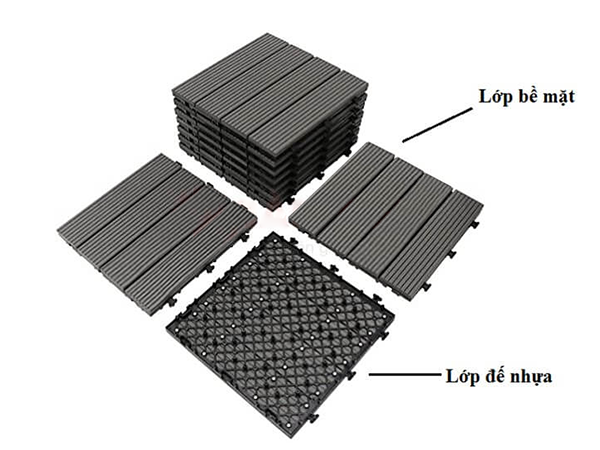
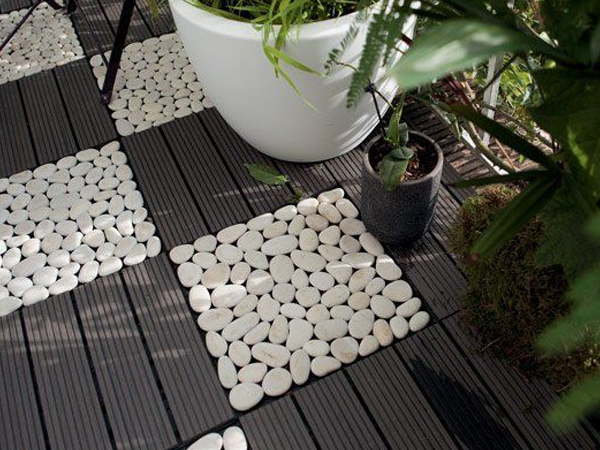
Also very popular is a product EXWOOD WPC called plastic wood blister lining garden floor. Outwardly, it looks like a tiled floor with sections about 30 x 30 cm, but the wooden floor itself is made of a plastic substrate, on which EXWOOD boards are attached. The special fasteners of the underlayment make installation and reassembly of the floor easy and simple, suitable for seasonal buildings, playgrounds or private suburban areas.
|
|
|
|
Tiles EXWOOD WPC - wooden garden flooring can have two layers: base layer and front layer |
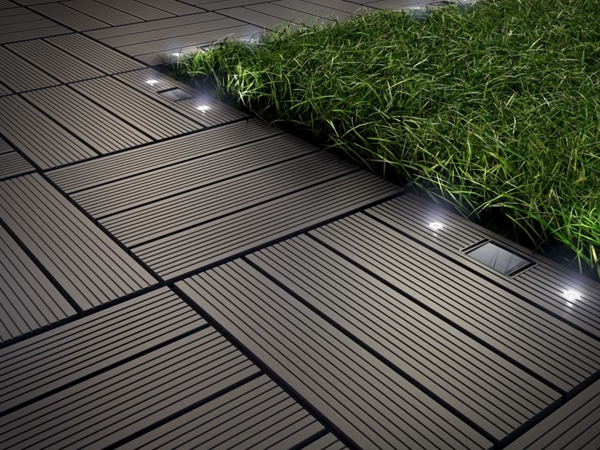
Garden path paved with bricks EXWOOD WPC - garden wooden floor |
 |
 |
|
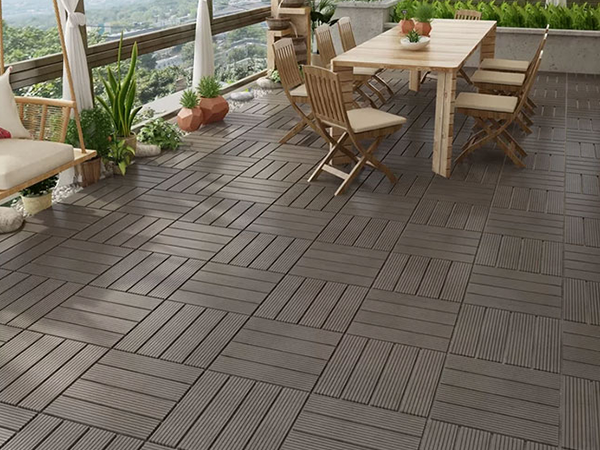
Tiles EXWOOD WPC is the perfect solution for large patios |
Garden tiles EXWOOD WPC are also a great choice for an open area in the garden |
EXWOOD WPC Where does this amazing material come from?
WPC was invented in 1909 by Leo H. Baekeland, first saw finished products in the United States in the 1960s, mainly in window and door frame applications, and it took more than 50 years for WPC to be manufactured in Vietnam.
Year 2012 EXWOOD WPCis produced in Vietnam mainly as flooring, complete with enough molds to From 2015 to present, the manufacturer receives all molds ordered by customers for immediate production at the prototyping stage.
EXWOOD WPC has received a patent for the copyright of the Vietnamese synthetic wood plastic object, thereby creating the trademark EXWOOD has been created. Now you can clearly see all the prerequisites for a Vietnamese brand idea, From the moment of its conception, the new WPC building material was not only a novelty but also stood on the brink of fantasy, until gaining the trust of consumers for a long time. EXWOOD WPC is completely suitable for weather conditions from north to south and coastal areas.
Production technology EXWOOD WPC requires strict compliance with technological processes and high-quality raw materials. The innovative processes and improvements in production technology, and then the stable source of materials, have lasted until now and the finished products have received recognition from Vietnamese consumers,
The EX factoryWOOD WPC has received export orders, the field EU, US and Middle East. Always receive production orders according to design requirements and export demand.
TAX FREE SERVICES:
– Survey, floor measurement, estimate - quote.
– Consultation to view samples at home 24/7 (from 07:00 - 21:00, Monday to Sunday)
– Provide samples to check product quality, only from C.O & C.Q
☎️ Switchboard: 1800 6121
We always welcome all customers to visit the factory